Public sector pay trends: A post-pandemic analysis
The public sector is no longer in the full grip of COVID-19, but workforce challenges continue to put pressure on UK public services. This report aims to help hiring managers make competitive offers to candidates and employees.
Jobs Go Public is here to support, with our end-to-end resourcing solutions that are tailored to challenges in the public sector.
Foreword from the founder of Jobs Go Public
For almost 25 years, Jobs Go Public has provided innovative recruitment services to public sector organisations, including candidate sourcing, consultancy support, recruitment technology, and vacancy advertising.
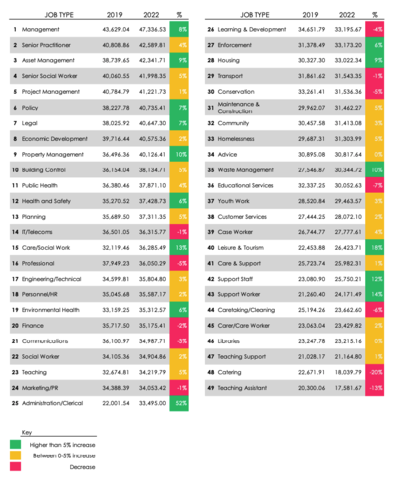
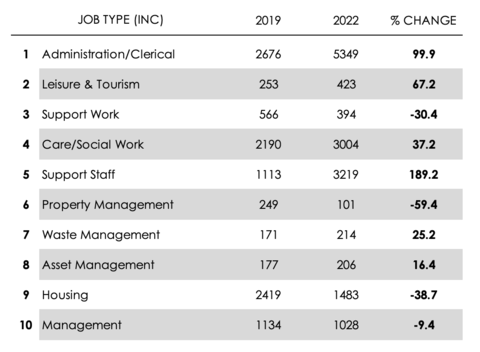
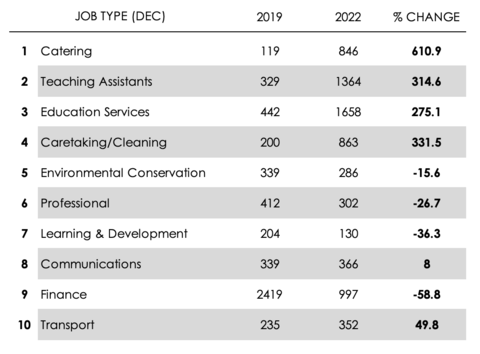
Our latest ‘Public sector pay trends’ report, which analyses 100,900 job vacancies across 49 job types since 2019, is an example of the benchmarking data we provide for hiring managers to make decisions around pay and benefits alongside their recruitment strategies.
Hiring is a key challenge for any organisation, but it has been especially difficult within the public sector. Managers contend with funding decisions and media narratives which can deter candidates from pursuing a career in the sector, and the pandemic exacerbated underlying skill shortages. Many public sector leaders have struggled to run services at full capacity.
Employees have been working more hours to try and plug the gap. Frontline workers increased their hours to such an extent during the pandemic that weekly earnings in the public sector actually rose by 4.1% amidst a 253% increase in redundancy rates in 2020.
The public sector is no longer in the full grip of COVID-19, but workforce challenges continue to put pressure on UK public services. This report aims to help hiring managers make competitive offers to candidates and employees. Jobs Go Public is here to support, with our end-to-end resourcing solutions that are tailored to challenges in the public sector.
David Marshall
Founder, Jobs Go Public